

 Global Finds
  Quick Commerce
  Grocery
  Electronics & Appliances
 _20.png) Beauty
Beauty  Sports
  Automotive
  Stationery, Books & Music
 _20.png) Fashion Luxe
Fashion Luxe  Fashion
 _20.jpeg) Home
Home  Mother, Baby & Toys
  Special Weekly Offer
  Garden & Pet Care
  Global Finds
  Quick Commerce
  Grocery
  Electronics & Appliances
 _20.png) Beauty
Beauty  Sports
  Automotive
  Stationery, Books & Music
 _20.png) Fashion Luxe
Fashion Luxe  Fashion
 _20.jpeg) Home
Home  Mother, Baby & Toys
  Special Weekly Offer
  Garden & Pet Care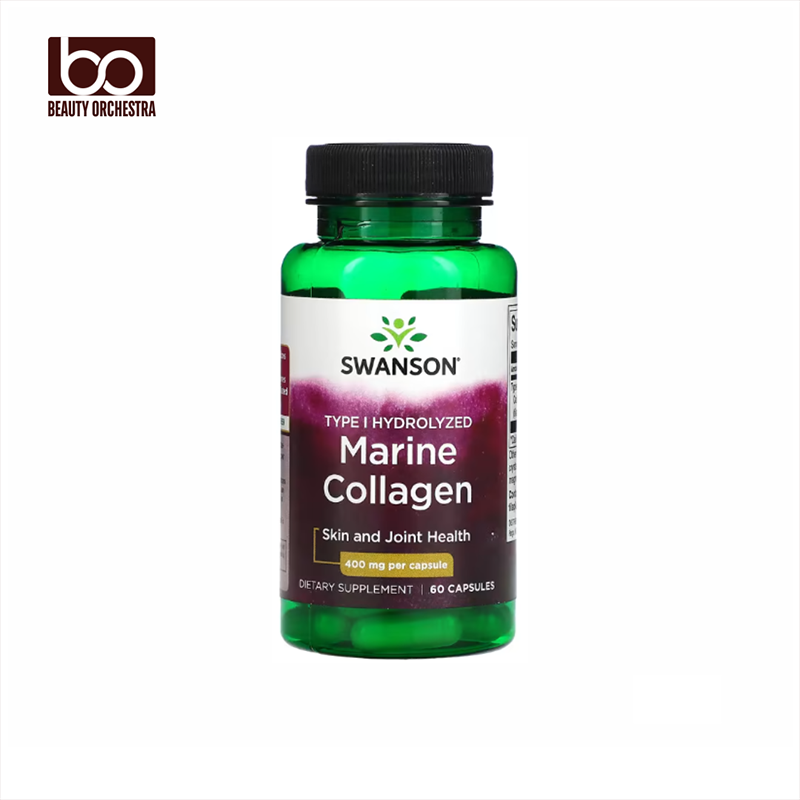
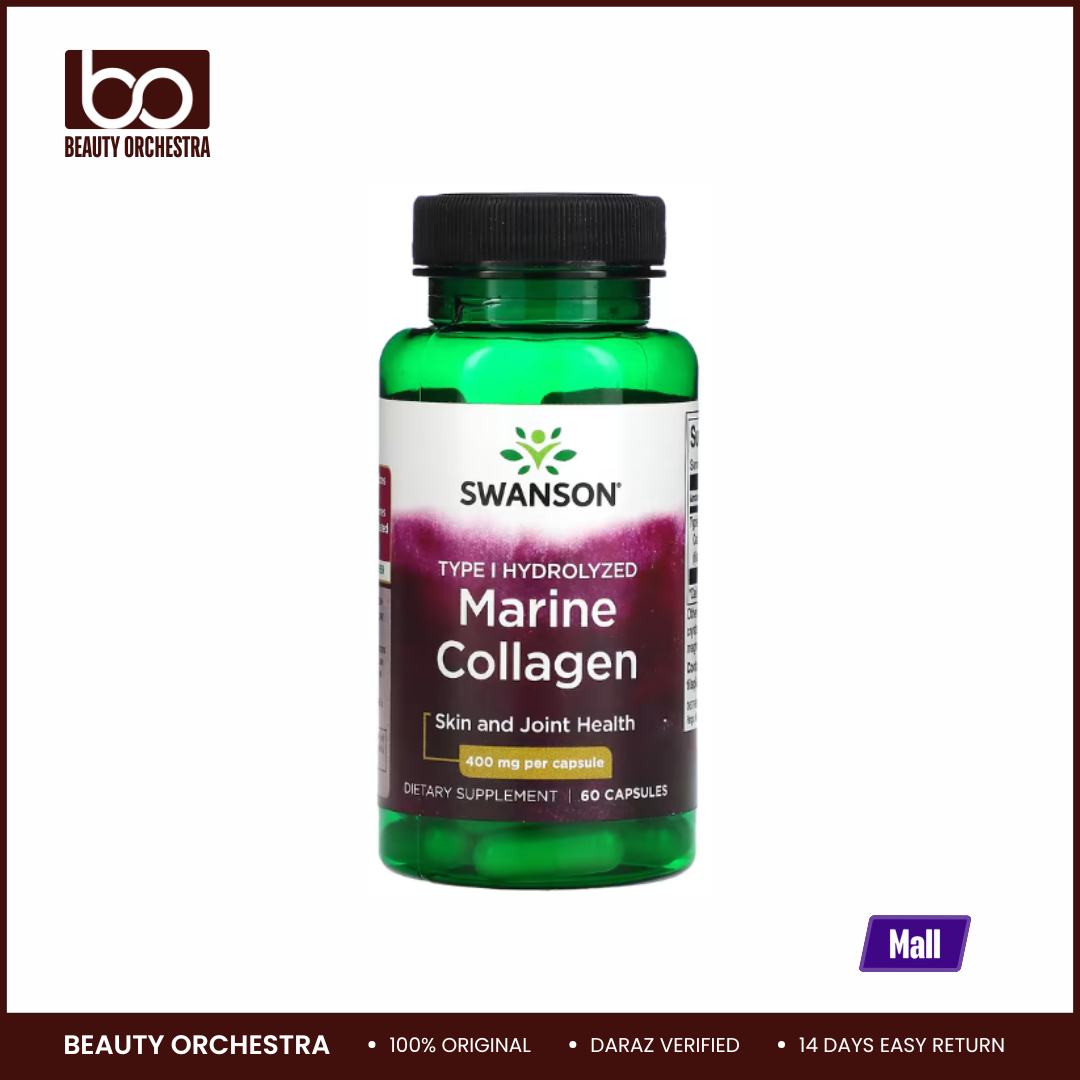
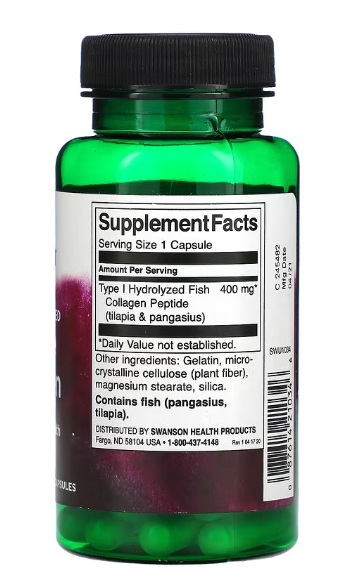
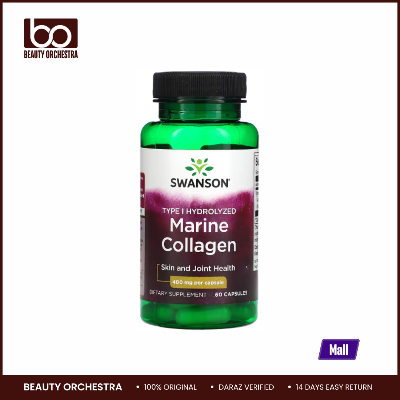
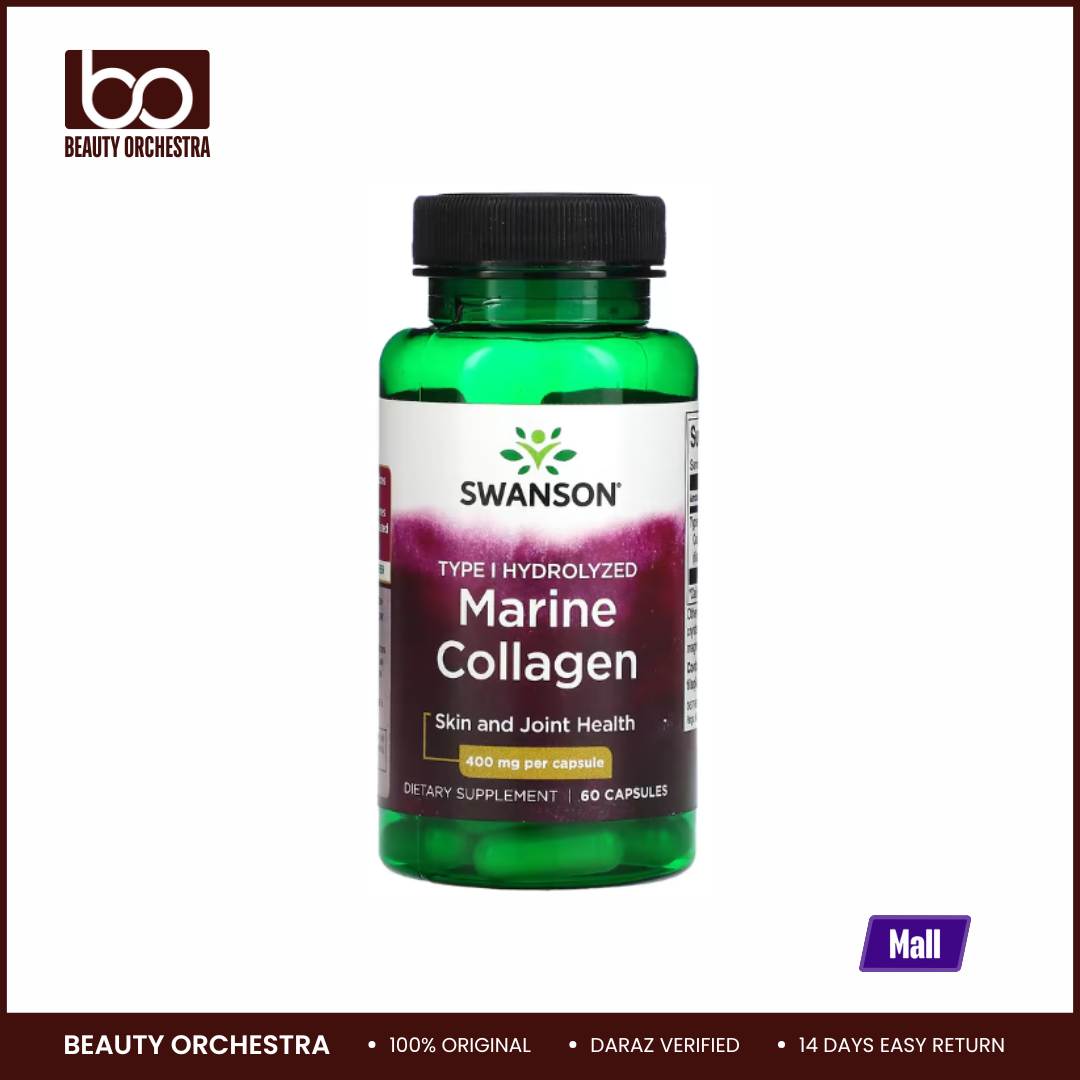
Type I Hydrolyzed Marine Collagen Peptides derived from fish such as tilapia and pangasius (also described as “Hydrolyzed Fish Collagen Type I”)
Delivered in an easy-to-take capsule form, typically in a bottle containing 60 capsules
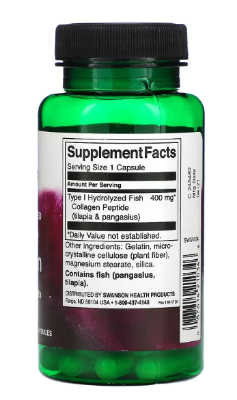
Each capsule contains 400 mg of Type I hydrolyzed fish collagen peptide, processed for fast absorption and high purity
Other typical ingredients include gelatin, microcrystalline cellulose, magnesium stearate, and silica, with a clear note that it contains fish — important for anyone with seafood allergies
Recommended as a dietary supplement: take 1 capsule twice daily with water, preferably alongside a meal or per label directions
Supports healthy skin, tendons, arteries, joints, bones, as well as hair and nail health
Specifically formulated to improve skin elasticity, hydration, and overall structural integrity of connective tissues vitabal-lbLandys Chemist.
For adults only — consult your healthcare provider before use if pregnant, nursing, on medication, or managing a medical condition
Store in a cool, dry place, out of reach of children
The product is not evaluated by the FDA and is not intended to treat, diagnose, cure, or prevent disease
Type I collagen, the most abundant collagen in human skin, tendons, and bones, is delivered in a highly bioavailable form thanks to hydrolyzation, aiding better absorption .
Marine collagen tends to be superior to bovine or chicken sources due to its smaller peptide size, higher bioavailability, and effectiveness in promoting skin hydration, elasticity, and joint function
Clinical evidence and expert discussions suggest marine collagen may offer benefits like anti-aging effects, skin remodeling, bone density support, and connective tissue repair VogueHealth+1Verywell Health.
Common dosage ranges from 2.5 g to 15 g daily to see noticeable results; the Swanson product delivers 800 mg daily if following the 1 capsule × 2 per day regimen — lower than many studies, but may still support maintenance or contribute as part of a broader approach VogueDaily Telegraph.

Login to ask a question
